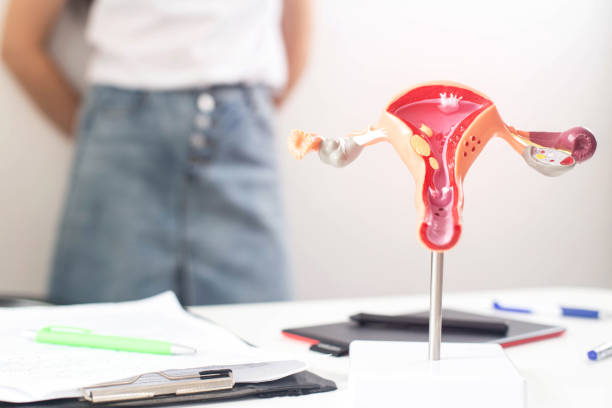
Heavy menstrual bleeding can significantly affect a woman’s daily life, emotional well-being, and overall health. When menstrual periods become unusually heavy or prolonged, it may be a sign of an underlying condition that requires medical attention. Understanding available menorrhagia treatment options is an important step toward improving quality of life and restoring confidence.
At Seamless, we believe that informed healthcare decisions begin with education. Women experiencing excessive menstrual bleeding should know that effective solutions are available, and seeking professional guidance can lead to meaningful relief and better long-term wellness.
What Is Menorrhagia?
Menorrhagia is the medical term used to describe abnormally heavy or extended menstrual bleeding. While menstrual flow varies from person to person, excessive bleeding that interferes with daily activities should not be ignored.
Women with menorrhagia may find it difficult to maintain normal routines due to discomfort, fatigue, or concerns about unexpected bleeding. In some cases, prolonged blood loss may contribute to iron deficiency and other health complications.
Recognizing the symptoms early can help ensure timely evaluation and appropriate care.
Common Signs That Should Not Be Ignored
Many women assume heavy periods are simply a normal variation of the menstrual cycle. However, certain symptoms may indicate the need for medical assessment.
Common warning signs include:
- Needing to change sanitary products very frequently.
- Menstrual bleeding that lasts longer than expected.
- Passing unusually large blood clots.
- Experiencing persistent fatigue during menstruation.
- Having menstrual flow that disrupts work, school, or social activities.
- Feeling weak or lightheaded during heavy bleeding episodes.
If these symptoms become a regular occurrence, discussing them with a healthcare professional is recommended.
Understanding the Causes of Heavy Menstrual Bleeding
Heavy menstrual bleeding can occur for several reasons. Identifying the root cause helps healthcare providers determine the most effective management strategy.
Potential causes may include:
Hormonal Imbalances
Hormones regulate the menstrual cycle. When hormone levels become unbalanced, the uterine lining may build up excessively and shed more heavily during menstruation.
Uterine Fibroids
Fibroids are noncancerous growths that develop within or around the uterus. Depending on their size and location, they can contribute to heavier menstrual flow.
Polyps
Small tissue growths within the uterus can lead to irregular or excessive bleeding and may require medical evaluation.
Adenomyosis
This condition occurs when uterine tissue grows into the muscular wall of the uterus, often resulting in painful and heavy periods.
Bleeding Disorders
Certain blood clotting conditions can make it difficult for the body to control bleeding effectively during menstruation.
Medication Effects
Some medications may influence bleeding patterns and contribute to heavier menstrual cycles.
Why Early Diagnosis Matters
Ignoring heavy menstrual bleeding can affect both physical and emotional health. Chronic blood loss may contribute to low iron levels, reduced energy, and decreased productivity.
Early diagnosis offers several benefits:
- Helps identify underlying medical conditions.
- Supports more personalized treatment planning.
- Reduces the risk of long-term complications.
- Improves overall quality of life.
- Provides reassurance through professional evaluation.
Seeking medical guidance allows women to better understand their symptoms and access suitable care options.
Modern Approaches to Menorrhagia Treatment
Today, healthcare providers have access to a wide range of menorrhagia treatment options. The most appropriate approach depends on factors such as age, medical history, symptom severity, and future reproductive goals.
Medication-Based Management
Medications are often considered as an initial treatment option for many women.
Common goals of medication-based care include:
- Reducing menstrual blood loss.
- Supporting hormonal balance.
- Managing associated discomfort.
- Improving overall menstrual regularity.
Healthcare providers determine which medications may be appropriate based on individual needs and medical history.
Hormonal Therapies
Hormonal treatments can help regulate the menstrual cycle and reduce excessive bleeding.
Potential benefits include:
- More predictable menstrual cycles.
- Reduced blood loss.
- Improved symptom control.
- Enhanced daily comfort and convenience.
These therapies are commonly used when hormonal imbalances contribute to heavy bleeding.
Minimally Invasive Procedures
For some women, minimally invasive procedures may provide effective symptom relief when medications do not achieve desired results.
These procedures may focus on:
- Addressing abnormal tissue growth.
- Managing uterine abnormalities.
- Reducing excessive menstrual bleeding.
- Preserving overall reproductive health when appropriate.
Medical specialists evaluate each case individually before recommending procedural interventions.
Surgical Solutions
In specific situations, surgical treatment may be considered for women experiencing severe symptoms or underlying structural conditions.
Potential reasons for surgery may include:
- Significant uterine fibroids.
- Persistent heavy bleeding.
- Structural abnormalities.
- Failure of conservative treatment methods.
A thorough consultation helps determine whether surgical intervention aligns with a patient’s health goals and medical needs.
See also: Deep Cleaning Services Dubai: Achieve a Spotless and Healthy Space
Lifestyle Factors That Support Better Menstrual Health
While professional medical care remains essential, healthy lifestyle choices can contribute to overall menstrual wellness.
Helpful habits include:
- Maintaining a balanced and nutrient-rich diet.
- Staying physically active.
- Managing stress effectively.
- Prioritizing quality sleep.
- Monitoring menstrual patterns regularly.
- Attending routine healthcare appointments.
These practices may support overall well-being and help women stay more aware of changes in their menstrual health.
Questions to Discuss With Your Healthcare Provider
Open communication with a healthcare professional can improve treatment outcomes and provide greater clarity.
Important discussion topics may include:
- Possible causes of heavy bleeding.
- Recommended diagnostic evaluations.
- Available treatment options.
- Potential benefits and risks of treatment.
- Expected outcomes and follow-up care.
- Long-term management strategies.
Being prepared with questions can help women make informed decisions about their healthcare journey.
Looking Ahead With Confidence
Advancements in women’s healthcare have created more effective and personalized solutions for managing heavy menstrual bleeding. Whether symptoms are mild or more significant, there are numerous menorrhagia treatment options available to help women regain control over their health and daily lives.
At Seamless, we are committed to supporting women through every stage of their healthcare journey. If you are experiencing unusually heavy menstrual bleeding or have concerns about your menstrual health, contact us today to learn more about available treatment options and take the next step toward improved well-being.